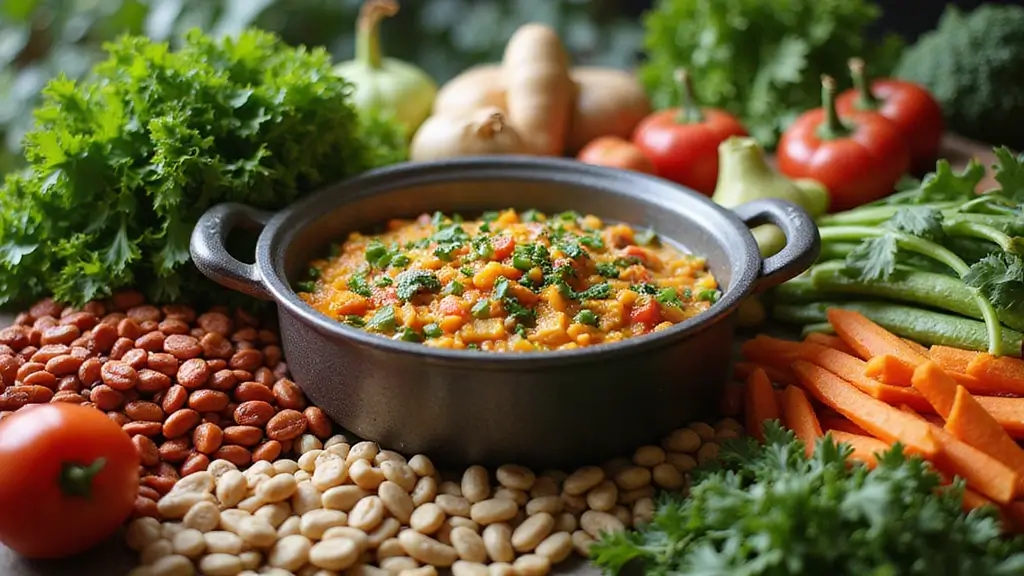
Discover the Delight of Vegetarian Low Calorie Dinners
Embarking on a journey towards healthier eating often involves seeking meals that are both nutritious and satisfying, without being heavy on calories. For many, vegetarian low calorie dinners offer the perfect solution. These plant-based meals are not only inherently rich in fiber, vitamins, and minerals but can also be incredibly flavorful and filling, making them ideal for weight management, improved digestion, and overall well-being.
Gone are the days when low-calorie meals meant bland, uninspiring dishes. Today, the world of vegetarian cuisine is vibrant and diverse, offering a plethora of options that prove you don't have to sacrifice taste to achieve your health goals. This article will guide you through the benefits, strategies, and delicious ideas for incorporating more vegetarian low calorie dinners into your weekly routine, helping you create meals that truly nourish your body and delight your palate.
The Power of Plant-Based: Why Choose Vegetarian Low-Calorie Dinners?
The decision to opt for vegetarian low calorie dinners is a powerful one, bringing with it a host of health advantages. Understanding these benefits can further motivate you to explore this exciting culinary path:
- Effective Weight Management: Plant-based meals are typically lower in saturated fat and calories while being higher in fiber. Fiber promotes satiety, meaning you feel fuller for longer, which can naturally reduce overall calorie intake without feeling deprived.
- Nutrient Density: Vegetables, fruits, legumes, and whole grains are packed with essential vitamins, minerals, and antioxidants. These nutrients are crucial for supporting various bodily functions, boosting immunity, and protecting against chronic diseases.
- Improved Heart Health: A vegetarian diet naturally eliminates dietary cholesterol and significantly reduces saturated fat intake, both of which are major contributors to heart disease. The fiber content also helps lower cholesterol levels.
- Better Digestive Health: The high fiber content in plant-based foods supports a healthy digestive system, preventing constipation and fostering a diverse and beneficial gut microbiome.
- Increased Energy Levels: With an abundance of complex carbohydrates from whole grains and vegetables, your body receives a steady supply of energy, avoiding the crashes often associated with meals high in refined sugars and unhealthy fats.
Choosing vegetarian low calorie dinners is not just about cutting calories; it's about embracing a lifestyle that prioritizes nutrient-rich, wholesome foods that leave you feeling energized and vibrant.
Crafting Your Perfect Low-Calorie Vegetarian Plate
Building balanced and satisfying vegetarian low calorie dinners is simpler than you might think. The key lies in understanding the components that make up a healthy plant-based meal and how to combine them effectively. Here's a blueprint for creating your ideal low-calorie vegetarian plate:
Essential Components:
- Lean Protein Sources: Protein is crucial for satiety and muscle maintenance. Excellent vegetarian low-calorie options include lentils, chickpeas, black beans, tofu, tempeh, edamame, seitan, and cottage cheese or Greek yogurt (for ovo-lacto vegetarians). Aim for a generous portion to keep you full.
- Abundant Non-Starchy Vegetables: These are your low-calorie powerhouses. Fill at least half your plate with colorful vegetables like leafy greens (spinach, kale, lettuce), broccoli, cauliflower, bell peppers, zucchini, mushrooms, asparagus, and green beans. They add volume, fiber, and a wealth of nutrients with minimal calories.
- Complex Carbohydrates (in moderation): While essential for energy, portion control is key. Opt for small servings of whole grains like quinoa, brown rice, whole wheat pasta, or a small sweet potato. These provide sustained energy and fiber. For even lower calorie options, consider cauliflower rice or zucchini noodles as alternatives.
- Healthy Fats (sparingly): Fats are necessary for nutrient absorption and satiety but are calorie-dense. Use healthy fats like avocado, a small handful of nuts or seeds, or a drizzle of olive oil in moderation to enhance flavor and nutrient absorption without excessive calories.
Strategic Tips for Success:
- Focus on Volume: Pile your plate high with non-starchy vegetables. Their low-calorie density means you can eat a large quantity without overdoing it on calories.
- Herbs and Spices are Your Friends: Flavor is paramount! Use a wide array of herbs and spices – garlic, onion, ginger, turmeric, cumin, chili powder, oregano, basil – to add immense flavor without adding a single calorie.
- Watch Dressings and Sauces: Many store-bought dressings and sauces can be hidden calorie bombs. Opt for vinaigrettes made with vinegar and a small amount of olive oil, or create your own with lemon juice, herbs, and spices. Light coconut milk can be used sparingly in curries.
- Hydrate: Drink a glass of water before your meal. This can help you feel fuller and distinguish between true hunger and thirst.
By keeping these components and strategies in mind, you can consistently create delicious and effective vegetarian low calorie dinners that support your health and weight goals.
Delicious & Easy Vegetarian Low-Calorie Dinner Ideas
To get you started, here are some practical and flavorful ideas for vegetarian low calorie dinners that are simple to prepare and packed with goodness:
- Hearty Lentil & Vegetable Soup/Stew: A classic for a reason! Combine brown or green lentils with diced carrots, celery, onions, bell peppers, spinach, and a rich vegetable broth. Season with herbs like thyme and bay leaf. Lentils provide excellent protein and fiber, making this incredibly filling and low in calories. Serve with a side salad.
- Tofu or Tempeh Stir-fry with Cauliflower Rice: Marinate cubes of tofu or tempeh in soy sauce (or tamari), ginger, and garlic. Stir-fry with a colorful medley of broccoli, snap peas, bell peppers, mushrooms, and bok choy. Serve over cauliflower rice for a low-carb, low-calorie base, or a small portion of brown rice.
- Chickpea and Spinach Curry (Light): Sauté onions, garlic, and ginger, then add curry powder or paste. Stir in a can of chickpeas, diced tomatoes, a generous amount of fresh spinach, and a small amount of light coconut milk or vegetable broth. Let it simmer until flavors meld. Enjoy with a small portion of quinoa or a whole wheat roti.
- Stuffed Bell Peppers: Halve bell peppers and fill them with a mixture of cooked quinoa, black beans, corn, diced onions, garlic, and your favorite salsa. Bake until tender and serve with a sprinkle of fresh cilantro.
- Large Mediterranean-Inspired Salad with Grilled Halloumi/Smoked Tofu: Build a base of mixed greens, add cucumber, tomatoes, red onion, olives, and a small amount of crumbled feta (if desired). Top with grilled halloumi slices or smoked tofu for protein, and dress with a light lemon-herb vinaigrette.
- Zucchini Noodles with Marinara and "Meatless" Meatballs: Use a spiralizer to create zucchini noodles. Toss with a homemade low-sugar marinara sauce and serve with store-bought vegetarian meatballs (check nutrition labels for low-calorie options) or homemade lentil/mushroom-based patties.
- Black Bean Burgers on Lettuce Wraps: Make homemade black bean burgers or use low-calorie store-bought patties. Serve them in crisp lettuce cups instead of buns, with plenty of fresh toppings like tomato, onion, pickles, and a dollop of light salsa or avocado mash.
Maximizing Success: Tips for Sustainable Healthy Eating
Adopting vegetarian low calorie dinners as a regular part of your diet is a fantastic step towards better health. To ensure long-term success and make healthy eating an enjoyable habit, consider these practical tips:
- Meal Prep Strategically: Dedicate an hour or two once a week to chop vegetables, cook a batch of grains or lentils, and portion out ingredients. This makes assembling quick and healthy dinners during busy weeknights a breeze, reducing the temptation for less healthy options.
- Explore New Recipes: Don't get stuck in a rut. Continuously seek out new vegetarian recipes to keep your meals exciting and prevent boredom. Cookbooks, food blogs, and online communities are great resources.
- Listen to Your Body: Pay attention to your hunger and fullness cues. Eat slowly, savor your food, and stop when you feel comfortably full, not stuffed. Mindful eating is crucial for calorie management.
- Keep Healthy Staples on Hand: Stock your pantry with non-perishable items like canned beans, lentils, whole grains, spices, and your fridge with fresh produce, tofu, and other plant-based proteins. This ensures you always have ingredients for a quick, healthy meal.
- Don't Be Afraid to Experiment: Adjust recipes to suit your taste preferences. If you don't like an ingredient, swap it for something you do enjoy. Personalization is key to sustainable healthy eating.
- Stay Hydrated: Sometimes, thirst can be mistaken for hunger. Ensure you're drinking plenty of water throughout the day.
Conclusion
Incorporating vegetarian low calorie dinners into your lifestyle is an incredibly rewarding decision that promises not just weight management benefits but also a journey into a world of vibrant flavors and enhanced well-being. By focusing on nutrient-dense plant-based proteins, an abundance of non-starchy vegetables, and smart portion control, you can create satisfying meals that are both delicious and aligned with your health goals. Embrace the versatility of vegetarian cuisine, experiment with new ingredients, and enjoy the positive changes these mindful dinner choices will bring to your health and energy levels. It’s a sustainable, flavorful, and deeply nourishing way to eat well every single night.
