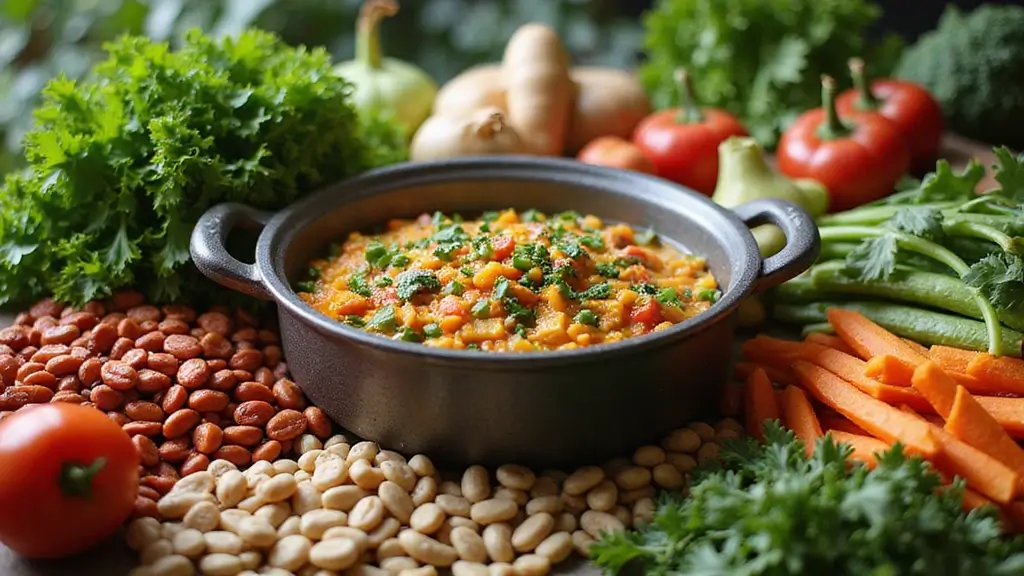
Embracing Delicious and Nutritious Vegetarian Low Calorie Dinners
The journey towards a healthier lifestyle often involves mindful eating, and for many, that means exploring delicious yet light dinner options. Vegetarian low calorie dinners offer a powerful combination of health benefits, ethical considerations, and incredible flavor without the heavy feeling often associated with traditional meals. Whether you're aiming for weight management, improved overall well-being, or simply wish to incorporate more plant-based meals into your routine, the world of vegetarian low-calorie dining is rich with possibilities. This guide will walk you through the immense benefits, practical tips, and mouth-watering ideas to make your evening meals both satisfying and perfectly aligned with your health goals.The Multifaceted Benefits of Vegetarian Low-Calorie Dinners
Opting for vegetarian low calorie dinners isn't just a trend; it's a strategic choice that brings a wealth of advantages to your plate and your health.Health Advantages
- Effective Weight Management: Plant-based meals are naturally lower in saturated fat and cholesterol, and often higher in dietary fiber. Fiber promotes satiety, helping you feel full for longer and reducing the likelihood of overeating. This makes vegetarian low calorie dinners an excellent tool for those looking to shed pounds or maintain a healthy weight.
- Enhanced Heart Health: A diet rich in fruits, vegetables, and whole grains, characteristic of vegetarian eating, is strongly linked to lower blood pressure and reduced risk of heart disease. The absence of dietary cholesterol and lower saturated fat content further contribute to a healthier cardiovascular system.
- Improved Digestion: The high fiber content in plant foods is crucial for a healthy digestive system, aiding in regular bowel movements and preventing constipation. A well-functioning gut also plays a role in overall immunity and nutrient absorption.
- Nutrient Density: Far from being restrictive, well-planned vegetarian low calorie dinners are packed with essential vitamins, minerals, antioxidants, and phytochemicals. These vital compounds protect your cells, boost energy levels, and support various bodily functions.
Environmental and Ethical Impact
Beyond personal health, choosing vegetarian low calorie dinners contributes positively to the planet. Plant-based diets generally have a significantly lower carbon footprint, requiring less land, water, and energy compared to meat-heavy diets. For those concerned with animal welfare, a vegetarian approach aligns with ethical values by eliminating animal products from the plate.
Crafting Your Perfect Vegetarian Low-Calorie Dinner
Creating delicious vegetarian low calorie dinners is simpler than you might think. It’s all about smart ingredient choices and clever cooking techniques.Core Components for Success
- Lean Protein Sources: Protein is essential for satiety and muscle maintenance. Excellent low-calorie vegetarian options include lentils, chickpeas, black beans, edamame, tofu, tempeh, and seitan. These ingredients are versatile and can be the star of many dishes.
- Abundant Non-Starchy Vegetables: These are your best friends for adding volume, nutrients, and fiber with minimal calories. Think leafy greens (spinach, kale), broccoli, cauliflower, bell peppers, zucchini, mushrooms, asparagus, green beans, and tomatoes. Fill at least half your plate with these vibrant options.
- Healthy Whole Grains (in moderation): While beneficial, grains like quinoa, brown rice, farro, and whole wheat pasta do contain more calories. Use them in smaller portions to provide complex carbohydrates and sustained energy without adding excessive calories. Consider options like cauliflower rice or spiralized zucchini as lower-carb alternatives.
- Healthy Fats (sparingly): Fats are important for nutrient absorption and flavor, but they are calorie-dense. Incorporate small amounts of healthy fats from sources like avocado, a sprinkle of nuts or seeds, or a drizzle of olive oil.
Flavor without the Calorie Load
The secret to delicious vegetarian low calorie dinners lies in maximizing flavor using low-calorie ingredients.
- Herbs and Spices: Fresh and dried herbs (basil, oregano, cilantro, parsley) and spices (cumin, paprika, turmeric, chili flakes) can transform a dish without adding a single calorie.
- Citrus Juices: Lemon and lime juice add brightness and zest, cutting through richness and enhancing natural flavors.
- Vinegars: Balsamic, apple cider, or rice vinegar can provide a tangy depth to dressings and marinades.
- Vegetable Broth: Use low-sodium vegetable broth as a base for soups, stews, and to sauté vegetables instead of oil.
- Umami Boosters: Mushrooms, nutritional yeast, and a small amount of low-sodium soy sauce or tamari can add a savory, satisfying depth of flavor.
Delicious and Easy Vegetarian Low-Calorie Dinner Ideas
Speedy Weeknight Wonders
- Lentil and Vegetable Soup: A hearty bowl packed with carrots, celery, spinach, and plenty of herbs. It’s filling, nutritious, and incredibly low in calories.
- Tofu Scramble with Sautéed Greens: A quick and protein-rich option. Crumble firm tofu and sauté with onions, bell peppers, spinach, and a pinch of turmeric for color.
- Giant Salad with Roasted Chickpeas: Load up on mixed greens, cucumber, tomatoes, shredded carrots, and bell peppers. Top with oven-roasted chickpeas (seasoned with your favorite spices) for crunch and protein, and a light vinaigrette.
- Cauliflower Rice Stir-fry: A vibrant mix of broccoli, snap peas, carrots, mushrooms, and bell peppers, stir-fried with tofu or tempeh and served over cauliflower rice. Use a light soy sauce or tamari-ginger dressing.
Hearty & Satisfying Meals
- Black Bean Burgers (Bunless or Lettuce Wrap): Make your own wholesome black bean patties and serve them atop a large lettuce leaf with plenty of fresh salsa, avocado slices (in moderation), and a side salad.
- Quinoa-Stuffed Bell Peppers: Halved bell peppers filled with a mixture of cooked quinoa, black beans, corn, diced tomatoes, and spices, then baked until tender.
- Light Vegetable Curry: A rich, flavorful curry made with a tomato or light coconut milk base, packed with chickpeas, spinach, cauliflower, and green beans. Serve with a small portion of brown rice or just as is. For even more creative ideas and meal plans, check out vegetarian low calorie dinners - Article 2.
- Zucchini Noodle Primavera: Spiralized zucchini "noodles" tossed with a vibrant medley of sautéed cherry tomatoes, asparagus, bell peppers, and a light pesto or marinara sauce. Add some white beans for extra protein.
Tips for Maximizing Flavor and Nutrition While Minimizing Calories
To truly master vegetarian low calorie dinners, keep these practical tips in mind:
- Portion Control is Key: Even healthy foods have calories. Be mindful of serving sizes, especially for grains, healthy fats, and sauces.
- Embrace Roasting and Grilling: These cooking methods bring out the natural sweetness and depth of vegetables without requiring much oil. Steaming and baking are also excellent low-calorie options. Avoid deep-frying.
- Hydrate Wisely: Drink a glass of water before your meal to help you feel fuller and aid digestion. Sometimes thirst can be mistaken for hunger.
- Read Labels: Be wary of hidden sugars, unhealthy fats, and excessive sodium in packaged sauces, dressings, and processed vegetarian alternatives. Opt for homemade where possible.
- Spice it Up: Don't underestimate the power of herbs and spices. They add incredible flavor complexity without adding calories. Experiment with different ethnic flavor profiles to keep things exciting.
- Meal Prep for Success: Dedicate some time on the weekend to chop vegetables, cook grains, or prepare dressings. This makes whipping up vegetarian low calorie dinners during busy weekdays a breeze. Discover advanced meal prepping strategies and diverse recipes for vegetarian low calorie dinners - Article 3.
Adopting vegetarian low calorie dinners into your routine is a fantastic way to nourish your body, manage your weight, and contribute to a healthier planet. With a focus on lean proteins, abundant vegetables, and smart flavor pairings, you can create meals that are not only light and healthy but also incredibly satisfying and bursting with taste. Experiment with different ingredients, cooking methods, and spice combinations, and discover a world of delicious possibilities that will leave you feeling energized and vibrant after every meal.
